The work behind the artist.
Artist development is often invisible. This series documents the songs, decisions, experiments and creative direction that shape an artist before—and beyond—the release.
More than a finished song.
Artist Stories follows how independent artists develop their songwriting, sonic identity, visual language and release direction through real creative work.
Each story reflects the scope of the individual engagement. PSM does not manage or represent every featured artist, and recording projects are not presented as full artist-development outcomes.
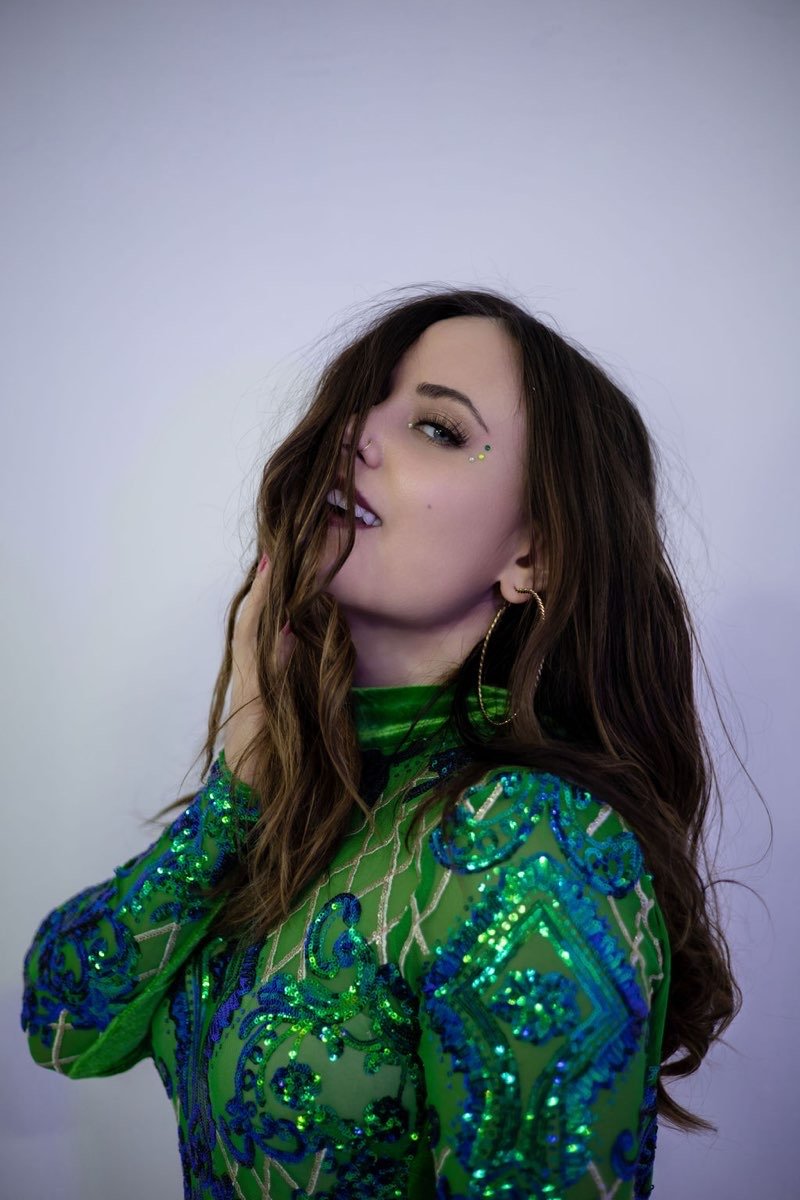
Meet Brittany Crystal
Brittany Crystal is a singer/songwriter from the Greater Emerald City, crafting fairytale dream pop and cinematic alternative R&B that turns real life into something that sounds like a modern fairy tale. Her songs are story-driven—shimmering, soulful, and threaded with themes of love, faith, and the journey toward “happily ever after.”
A performer to her core, she’s shared stages at festivals, shows, and events across the country. That same enchantment carries into all that she does—as an aerialist, dancer, character actress, and yoga teacher, her artistry is rooted in uplifting others through joy, healing, and inner peace.
Full interview on YouTube coming soon.
She had released the song. Now she was ready to develop the artist around it.
When Brittany Crystal came to Puget Sound Music, she had already done something important: written and released her first single, Crystal Clear. The song was strong, and the experience of bringing it into the world gave her a clearer view of what she wanted to develop next.
Brittany Crystal was still defining her sonic identity. Through the recording process, she realized she was also developing the vocabulary to communicate exactly what she wanted sonically and translate what she heard in her head into the recording.
The release showed her what she wanted to develop beyond the song, too. Her visual identity was still taking shape, and she had not yet built a clear release strategy or runway around Crystal Clear.
She had proven she could write and release a song.
The next chapter was about becoming more intentional about the artist behind it.
That's where her 1:1 work with Michele began.
Starting with the artist, not the next release
Rather than immediately moving on to another release, Michele and Brittany Crystal went back to the foundation.
They began with Brittany Crystal herself: her story, experiences, influences, instincts, and what she wanted her music to communicate.
Brittany began by free-writing her story. Michele used identity questions, songwriting structures, creative references, and examples to help her identify the experiences and ideas that felt most connected to the artist she was becoming.
They met weekly for 75-minute 1:1 sessions, developing the work in stages rather than trying to solve the entire artist project at once.
That foundation became the starting point for two new original songs: Rainy City Grown and Fair Maiden.
Turning identity into creative decisions
As the songs developed, the work moved from understanding Brittany's story into making specific artistic choices.
Together, Brittany Crystal and Michele worked through song structure, lyrics, melody, and the emotional intention behind each song. Brittany Crystal began making lyrical and melodic choices based not only on whether something sounded good, but on whether it served the story she wanted the song to tell.
The process then moved into sonic and production decisions. They created vibe tracks and references, developed the arrangements and tracks, and worked on communicating the sound Brittany Crystal wanted to hear.
This gave Brittany Crystal an opportunity to build more of the vocabulary needed to participate intentionally in conversations about her own production, rather than relying on someone else to interpret the vision for her.
Building the world around the music
The development continued beyond the songs.
Brittany Crystal and Michele explored the visual identity surrounding the work, including brand colors, visual direction, and ideas for cover artwork.
They also worked through the practical considerations around releasing the music, including release strategy and production decisions.
The aim was not to create a brand separately from the songs. It was to allow the music, Brittany Crystal's story, and the artistic choices emerging through the process to inform the world around them.
Two songs, and the development behind them
Rainy City Grown and Fair Maiden were written during the initial 60-day development period.
The project has continued beyond those 60 days because of the additional production timeline. Both songs have been recorded and developed in the studio and are currently being finalized through mixing and mastering.
The tangible result is two new original songs.
But from Michele's perspective as Brittany Crystal's mentor, another important part of the development has been Brittany Crystal's growing ability to make artistic decisions.
Across the process, she has had to decide what belongs in a lyric, which melodic choice serves the story, how she wants the production to feel, how to communicate that direction, and how the visual world surrounding the music should connect back to the work itself.
Rather than separating songwriting, identity, production, visuals, and release strategy into unrelated tasks, the 1:1 process has treated them as connected parts of developing the artist behind the music.
The work is still in progress. So is the artist. That's the point.
This case study documents Brittany Crystal's private 1:1 artist-development work with Michele Blanchflower. It is not a result from The Alignment Room. The scope of Brittany Crystal's private engagement, including production and studio work, is different from the group Alignment Room program.
Development leaves a record.
A release shows the finished result. The working record shows how an artist learned to make clearer decisions, communicate their direction and connect the music to a recognizable world.
These stories preserve that process without reducing artist development to a formula or overstating what any single engagement delivered.
Build the artist—or build the infrastructure that supports them.
Develop your artistic direction.
Explore identity-first support for songwriting, sound, visual direction and release readiness.
Move beyond hourly recording.
Build an AI-supported artist-development service around the artists your studio already serves.